Used Car Inspection Checklist: What to Look for Before You Buy
Buying a used car is one of the bigger purchases you will make. The difference between a good deal and a money pit often comes down to what you notice before you sign. This checklist covers everything you need to inspect on a used car before buying. Work through it systematically. If something does not look right, ask questions or walk away. There are plenty of other cars.
Exterior Inspection
Start walking around the car. You are looking for anything that does not match or does not look right.
- Body and paint: Look for mismatched colors between panels. If the hood is a slightly different shade than the doors, the car may have been in an accident and repainted. Look for bubbles, peeling, or overspray near trim pieces, which suggests a rushed paint job.
- Check each body panel for dings and scratches. Small cosmetic issues are normal on used cars and cheap to fix. But large areas of damage suggest the car was not well cared for.
- Gaps and alignment: Open and close each door, the hood, and the trunk. Gaps should be even all the way around. If doors sit unevenly or gaps are uneven, that points to bodywork after an accident.
- Tires: Check tire tread with a depth gauge or the penny test (place a penny with Lincoln's head facing down; if you can see the top of his head, the tread is too low). All four tires should have similar tread wear. If the front tires are worn more than the rear, that could indicate alignment issues or suspension problems.
- Check the tire sidewalls for cracks, bulges, or gouges. Look at the tire size on the sidewall and verify it matches what is listed on the door jamb sticker.
- Lights and glass: Check all headlights, taillights, brake lights, turn signals, and reverse lights. They should all work. Look for cracked lenses or cloudy headlights, which reduce visibility at night.
- Check the windshield for cracks, chips, and scratches. A crack in your line of sight will fail inspection in most states. Small chips can become cracks over time.
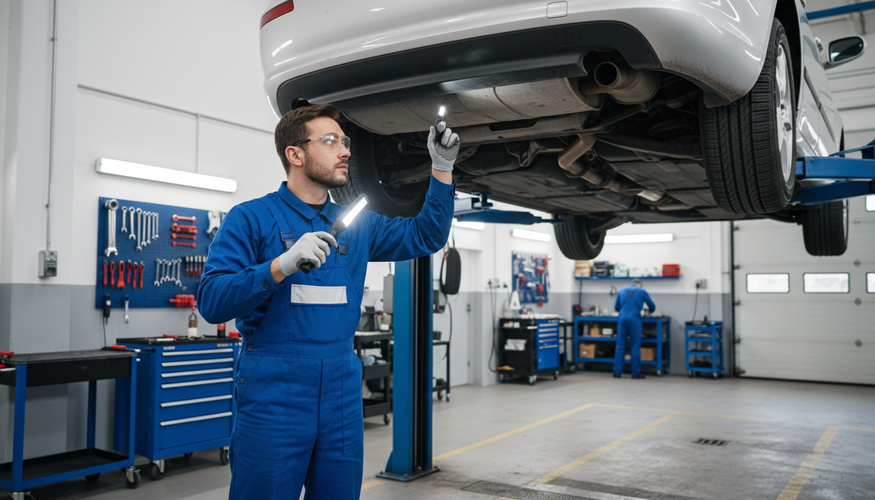
- Underneath the car: If possible, get under the car or crouch down. Look for rust, especially on the frame, suspension components, and exhaust. Surface rust is common, but heavy rust is a problem. Look for oil leaks or fluid drips on the ground where the car was parked.
Interior Inspection
Sit inside and spend some time here. Comfort matters, but so does condition.
- Seats and upholstery: Check the driver seat for wear on the bolsters, where you would rub getting in and out. Look for tears, stains, or sagging. If the car has leather, check for cracks.
- Check all seats, including the back seat, for wear. Adjust the seats through their full range of motion to make sure the motors work and the seats do not stick.
- Dashboard and controls: Turn the key to the on position (do not start the engine yet) and check all dashboard warning lights. They should all illuminate and then go out after a few seconds, except the check engine light and any pre-existing warning lights.
- Test the air conditioning, heater, and defroster. They should all work. A weak AC on a hot day is an expensive fix.
- Test all power accessories: windows, locks, mirrors, and seat adjustments. If any do not work, note it. Power windows are expensive to repair.
- Check the stereo system. Connect your phone via Bluetooth or auxiliary if possible. Test the speakers. A blown speaker is a minor annoyance but worth noting in your negotiation.
- Odors: Smell the car. Musty smells suggest water intrusion or mold. Smoke smells are difficult to remove and penetrate the upholstery. If the car smells like air freshener covering something, be suspicious.
- Odometer and gauges: Verify the mileage matches what is listed on the paperwork. Check the odometer for flickering or stuck digits, which can indicate tampering.
Engine Bay Inspection
Pop the hood and take a look. If you are not mechanically inclined, bring someone who is or pay for a professional inspection.
- Overall cleanliness: A clean engine bay suggests the previous owner maintained the car. An excessively dirty engine could mean deferred maintenance or could just mean the owner never cleaned it. Either way, look at the details.
- Fluid levels and condition: Check the oil dipstick. The oil should be golden to dark brown, not black or milky. Milky oil is a sign of a blown head gasket or other serious problem. Check the transmission fluid if the car is automatic. It should be red and smell normal, not burnt.
- Check the coolant overflow bottle. Coolant should be the right color for the type (green, orange, or blue depending on the manufacturer) and at the proper level.
- Check the brake fluid reservoir. It should be between the min and max lines. Low brake fluid could indicate worn brake pads or a leak.
- Belts and hoses: Look at the serpentine belt for cracks, fraying, or glazing. Check the radiator hoses for cracks, leaks, or bulging. Squeeze the hoses; they should be firm, not soft.
- Battery: Check the battery terminals for corrosion. A corroded terminal can cause starting problems. The battery should be securely mounted, not bouncing around.
- Leaks: Look for any drips or wet spots under the engine. Some condensation from the AC is normal, but oil drips or coolant leaks are not.
Test Drive
Never buy a used car without driving it. This is where you find problems you cannot see.
- Starting: The engine should start quickly and smoothly. Listen for unusual noises. A long crank time or hard starting could indicate battery, starter, or fuel system problems.
- Idle and acceleration: The engine should idle smoothly, without stalling or stumbling. Accelerate gently and then harder. The car should accelerate smoothly without hesitation, misfiring, or strange noises.
- Braking: Test the brakes at various speeds. They should stop the car firmly without pulling to one side. Listen for grinding, squeaking, or clicking. Pulsing or vibrating when braking could indicate warped rotors.
- Steering and handling: The steering should be responsive and smooth. It should not wander or require constant correction. At speed, the car should track straight.
- Turn the wheel fully in both directions. Listen for clicking or popping, which could indicate bad CV joints or power steering problems.
- Suspension: Go over bumps and listen. Clunking, squeaking, or groaning suggests worn suspension components. The car should feel stable, not bouncy or floaty.
- Electrical systems while driving: Test the headlights, turn signals, brake lights, and hazard lights while driving (with a helper). Check the wipers and washer. Make sure all gauges are working and reading normal.
- AC and heat: Turn on the AC and make sure it gets cold. Turn on the heat and verify it warms up. Note how long each takes.
Documents and History
Paperwork matters. Without the right documents, you may not be able to register the car or transfer ownership.
- Title: The title should be in the seller's name. If the seller is not the registered owner, get a bill of sale and verification of their authority to sell. Check for any liens listed on the title. If there is a lien, the seller must pay it off before transferring the title.
- Registration: Verify the registration is current. An expired registration could mean the owner let other things lapse as well.
- Service records: Ask for any available service records. A car with documented oil changes and maintenance is better than one with no history. Even if the seller does not have records, ask them about the maintenance they performed.
- Vehicle history report: Get a vehicle history report from Carfax or AutoCheck. This shows accidents, title brands, odometer readings, and service history. Red flags include accidents reported to insurance, title brands like "salvage" or "rebuilt," or odometer discrepancies.
- Emissions and inspection: If your state requires emissions testing or a safety inspection, verify the car has a current passing certificate or can pass. Failing emissions can mean expensive repairs.
When to Get a Professional Inspection
If you are not confident in your ability to assess the car, or if the deal seems too good to pass up, pay for a professional inspection. A mechanic will catch things you miss.
A pre-purchase inspection typically costs $100-$200. That is a small price to pay to avoid a $2,000 repair.
Especially get an inspection if the car is older, has high mileage, is being sold as-is, or the seller cannot provide service records.
Red Flags That Should Make You Walk Away
Some issues are not worth negotiating over. Walk away if you see:
- Flood damage (water stains, mud in unusual places, musty smell)
- Salvage or rebuilt title (unless you want the risk and know what you are doing)
- Mismatched paint or body panels suggesting accident repair
- Engine smoke, especially blue or white smoke
- Leaks underneath the car
- The seller cannot provide a clear title
- The car does not run or drive properly
- Anything that feels off or too good to be true
Final Thoughts
Inspecting a used car takes time. Plan to spend at least an hour looking over any car you are serious about. Bring a flashlight, a phone charger to test electronics, and someone with mechanical experience if you can.
If you find issues, use them in your negotiation. Minor problems are expected on used cars, but major problems should either be fixed by the seller or reflected in the price.
Coast to Coast puts every car through a quality check before listing it. We are transparent about the condition of each vehicle and happy to let you inspect it thoroughly or take it to your own mechanic. Browse our Texas and Oklahoma inventory to find your next car.